Fasts in the Jewish Calendar
There are five days of fast in the Jewish Calendar, the major one is the fast of Yom Kippur that is commanded to the People of Israel in Torah. The other four fasts are not mentioned in Torah, but decided upon and instituted by the sages, centuries later. These four fasts are called out by a number that corresponds to the number of the Hebrew month in which they occur: the fourth -Tammuz, the fifth – Av, the seventh – Tishrei and the tenth – Tevet. One needs to remember that the Jewish months’ count starts with the month of Nissan, when we celebrate Pesaḥ (Leviticus 23:5, and Esther 3:7):
On the fourteenth day of the first month towards evening is the passover of the Lord.
בַּחֹדֶשׁ הָרִאשׁוֹן בְּאַרְבָּעָה עָשָׂר לַחֹדֶשׁ בֵּין הָעַרְבָּיִם פֶּסַח לַיהֹוָה
In the first month, that is, the month Nisan, in the twelfth year of king Aĥashverosh, they cast Pur, that is, the lot, before Haman from day to day, and from month to month, to the twelfth month, that is, the month Adar.
בַּחֹדֶשׁ הָרִאשׁוֹן הוּא חֹדֶשׁ נִיסָן בִּשְׁנַת שְׁתֵּים עֶשְׂרֵה לַמֶּלֶךְ אֲחַשְׁוֵרוֹשׁ הִפִּיל פּוּר הוּא הַגּוֹרָל לִפְנֵי הָמָן מִיּוֹם לְיוֹם וּמֵחֹדֶשׁ לְחֹדֶשׁ שְׁנֵים עָשָׂר הוּא חֹדֶשׁ אֲדָר
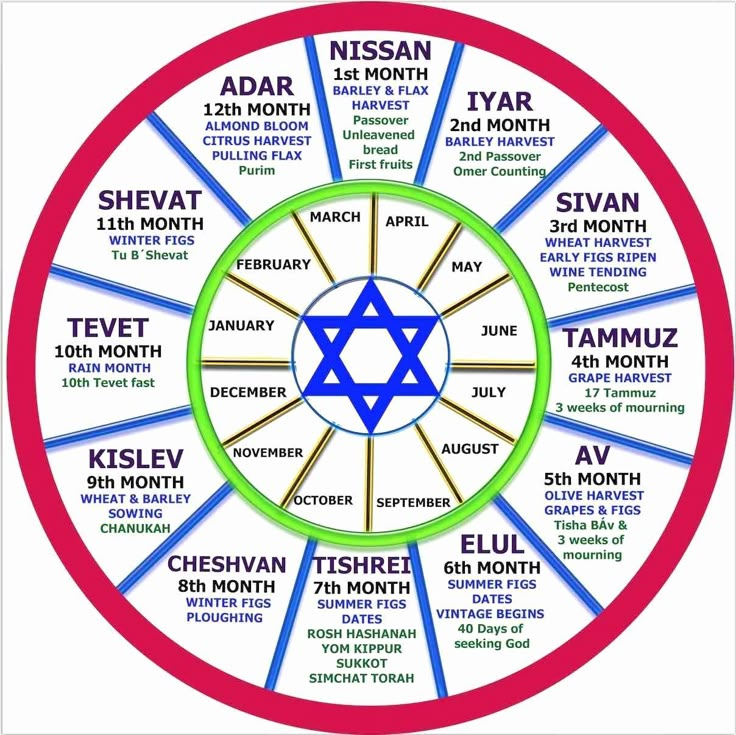
The four minor fasts are:
The Fast of the Fourth happens on the 17th day of Tammuz. Rabbi Akiva (1st – 2nd Century) set it to commemorate the day when the Romans breached Jerusalem’s walls (70CE). Rabbi Shim’on Bar Yoḥahy (Rashbi, Rabbi Akiva’s contemporary), referring to Jeremiah, objected Rabbi Akiva and suggested the 9th of Tammuz, the day in which the Babylonians breached the walls of Jerusalem in 588BCE. According to Mishnah, Moshe smashed the Tablets, and Antiochus Epiphanes the Greek defiled the Temple on the same day. Eventually, Rabbi Akiva’s opinion prevailed.
The Fast of the Fifth is the fast of Tisha B’Av, the Ninth of Av. This is the day in which both Temples were destroyed: the first in 586BCE and the second in 70CE. Read about Tisha B’Av and the other events that occurred on Tisha B’Av here.
The Fast of the Seventh is called the Fast of Gedaliah that is observed immediately after Rosh Hashanah, on the third of Tishrei.
The Fast of the Tenth is on the tenth of Tevet.
The Fast of the Tenth of Tevet
The trigger to this day was the beginning of the siege on Jerusalem by the Babylonians in 588 BCE. Eighteen months later, on the 9th of Av 586 BCE, they destroyed the First Temple and exiled the Jews. Later, more events that happened in a close vicinity to the 10th of Tevet added significance to observing this day.
Biblical Sources:
II Kings, 25:1:
It came to pass in the ninth year of his [King Tzidkiyahu] reign, in the tenth month, on the tenth day of the month, that Nevukhadnetzar king of Bavel came, he, and all his army, against Yerushalayim, and camped against it; and they built a siege wall against it all around and about.
וַיְהִי בִשְׁנַת הַתְּשִׁיעִית לְמָלְכוֹ בַּחֹדֶשׁ הָעֲשִׂירִי בֶּעָשׂוֹר לַחֹדֶשׁ בָּא נְבֻכַדְנֶאצַּר מֶלֶךְ בָּבֶל הוּא וְכָל חֵילוֹ עַל יְרוּשָׁלִַם וַיִּחַן עָלֶיהָ וַיִּבְנוּ עָלֶיהָ דָּיֵק סָבִיב
Ezekiel 24:1-2:
In the ninth year, in the tenth month, on the tenth day of the month, the word of the Lord came to me, saying: Son of man, write the name of the day, of this very same day; the king of Bavel has invested Yerushalayim on this very day.
וַיְהִי דְבַר יְהֹוָה אֵלַי בַּשָּׁנָה הַתְּשִׁיעִית בַּחֹדֶשׁ הָעֲשִׂירִי בֶּעָשׂוֹר לַחֹדֶשׁ לֵאמֹר׃ בֶּן־אָדָם כְּתׇב לְךָ אֶת שֵׁם הַיּוֹם אֶת עֶצֶם הַיּוֹם הַזֶּה סָמַךְ מֶלֶךְ בָּבֶל אֶל יְרוּשָׁלַ͏ִם בְּעֶצֶם הַיּוֹם הַזֶּה
Here, again, there is the argument between Rabbi Akiva and Rashbi. Rashbi wanted to set the 5th of Tevet as the fast day, because that was when the destruction of the First Temple became known to the People of Israel in the Diaspora (Ezekiel 33:21). In this case, too, Rabbi Akiva’s ruling is the one that prevailed.
Other tragedies that happened around this date:
The translation of Torah to Greek, the Septuagint, (done by 70 sages in the 3rd century BCE was a source of contention. We read in Megillat Ta-anit (The Scroll of Fasting, a short extracurricular tractate that was written around the 1st Century CE):
On the eighth of Tevet the Torah was written in Greek, during the rein King Ptolemy and darkness came upon the world for three days.
בְּח’ בְּטֵבֵת נִכְתְבָה הַתּוֹרָה יְוָנִית בִּימֵי תַּלְמַי הַמֶלֶךְ וְהַחוֹשֶׁךְ בָּא לַעוֹלָם שְׁלוֹשֶׁת יָמִים
The claim was that the translation could not reveal the depth of the original Hebrew text and lost some of the meanings. On the other hand, sages understood that the translation exists and it helps the Jews in the Diaspora understand the reading. The sages quoted a waiver given by Rabban Shimon ben Gamliel that allowed using the Torah translation into Greek.
On the ninth of Tevet, it is believed (according to some sources) that Ezra the Scribe, the great leader who brought some Jews back to the Holy Land from the Babylonian exile and who ushered in the era of the Second Temple, died. Tradition also dates the death of Nehemiah (the Governor of the Judea province, 5th Century BCE) to the same day. Other sources (e.g. Shulḥan Arukh) say that “something happened, but we do not know what it was…”
Rather than fasting three days in a raw, Sages determined that the 10th of Tevet will be the single fast day to all those events.
General Kaddish Day
The need for a specific day for remembrance of those whose date of decease is not known became acute after the Shoah. On one hand, there was no desire to add another fast day to the already loaded Jewish calendar. On the other hand, there was the need to dedicate a time to commemorate the victims of the Holocaust. In 1950 the Chief Rabbinate of Israel decreed that the Tenth of Tevet as the General Kaddish Day, for those whose day of decease is unknown. It is customary to light Yahrzeit candles, study and recite Kaddish to the ascent of the souls of the deceased. In synagogues, the El-Maleh-Raḥamim for the Holocaust victims is also recited after the Torah service.
In 1951 the Knesset decreed that the 27th of Nissan will be Yom HaShoah – Holocaust and Heroism Remembrance Day. The Chief Rabbinate and the ultra-orthodox world object the selection of that day in Nissan, because Nissan is considered the Month of Redemption, in which fasting, prayers of plea and expressing eulogies are refrained from.